Garage Floors
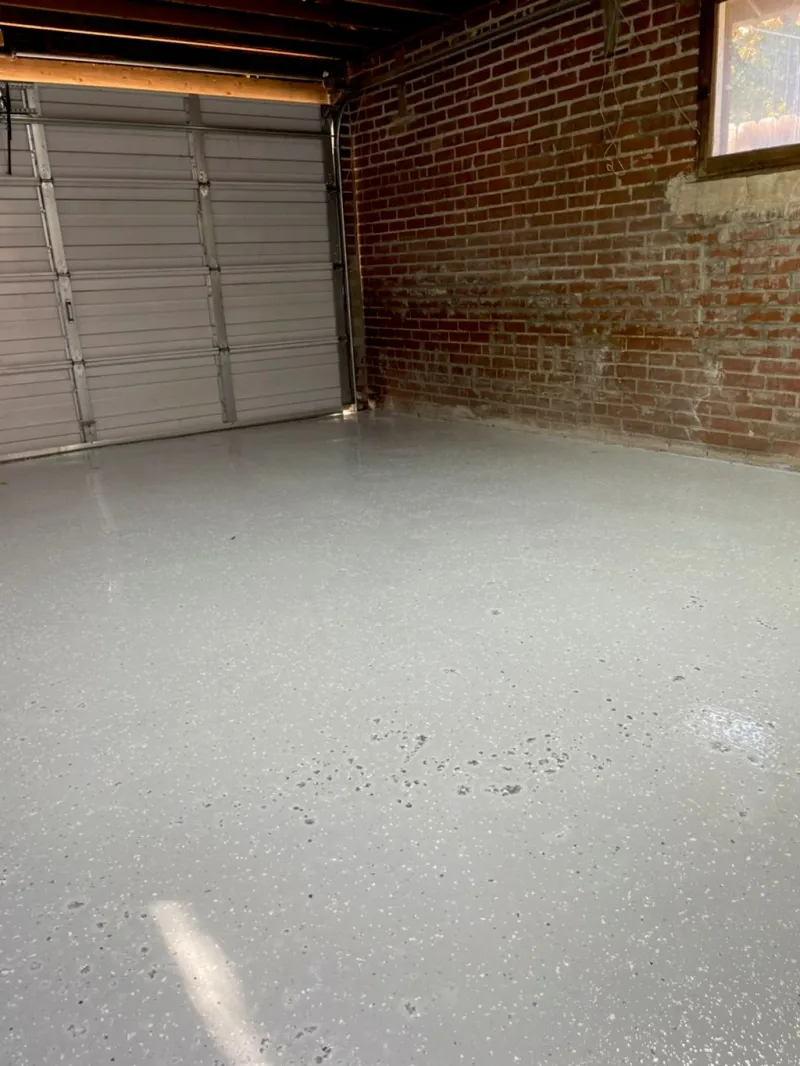
A ground, patched and sealed garage floor that shrugs off ice melt, hot tires and oil — and wipes clean with a shop broom.
Learn More
Concrete caulking fills the joints and moving cracks in a slab with a flexible joint sealant. The sealant stretches and squeezes as the concrete moves, and it helps keep water out of the gap. We caulk driveways, garage aprons, patios, pool decks, walks, porches and steps across the Denver metro and the Front Range. Inside, we clean out and fill the control joints in garage and shop floors.
Caulking and concrete sealing do different jobs, and a slab can need both. A sealer goes over the whole surface of the slab, while caulking works only in the joints and cracks. A garage floor that needs a whole new finish is a job for a garage floor coating instead. We sort out what your slab needs at the free on-site walk-through, and the written quote lists the work.
Tell us about your project — we’ll get right back to you.
Concrete expands and shrinks with changes in moisture and temperature, and joints give it room to move. Control joints are the cut or tooled lines across a driveway, patio or garage floor. They are planned cracks that decide where the slab cracks as it dries and shrinks. Expansion joints separate a driveway or patio from the walk, the garage slab, the steps or the house.
Caulking concrete joints fills each one with a flexible sealant that moves with the slab. It limits the water, deicer and grit that would otherwise work down into the joint. When old expansion joint caulking fails, the old sealant comes out and new sealant goes in. A pool deck or patio that needs new color too is a job for our pool deck and patio coatings.
NOAA's normals for Denver International Airport average 156.3 days a year with a low of 32 degrees F or colder. That is about 134 freeze-and-thaw days a year, when Denver freezes overnight and the high climbs above freezing. Water in an unsealed crack may then freeze and enlarge the crack, and most cracks spread as water seeps in. Our post on Colorado winters and garage floors covers the same cycle on bare concrete.
The ground under a slab can move too. The Colorado Geological Survey calls swelling soil a common and sometimes serious problem in Colorado. The survey lists cracked and heaved driveways, patios and garage slabs as very common signs of expansive clay. Its home maintenance guide says cracks in driveways, walks and patios should all be sealed as soon as possible.
Every concrete caulking job starts with a free on-site walk-through, and your written quote holds unless the scope changes. We pull the old sealant, dirt and weeds out of each joint, then fill it with a flexible joint sealant. That includes the joint where a patio, walk or driveway meets the house or a step. Control joints in garage and shop floors get the same cleanout before they are filled.
Sealing a crack that still moves works the same way, with the same flexible sealant. Spalls, pitting and a worn surface are a different repair, covered under concrete resurfacing. A slab that is heaving, sinking or cracked through its full depth is a replacement question. Caulking will not fix that kind of movement, and we point it out at the walk-through.
Free, no-obligation estimates across Denver and the surrounding metro.
(720) 691-6294From the first walk of the floor to the final one, here is exactly how it goes.
We come out, look at the actual slab and talk about how the space gets used. Cracks, spalling, oil, old coatings and moisture all get assessed here, because that is what decides the system and the price.
You get the price, the prep included, the system going down, and the walk-on and park-on dates in writing. It is free, and the number holds unless the scope changes.
Diamond grinding, never acid etching, then vacuum, chase and fill the cracks, patch the spalls and treat any contamination. This is most of the job and it is why the floor lasts.
Primer, base, flake or pigment, then the clear top coat. We tell you exactly when you can walk on it and when you can park on it, and the job is done when you have walked it with us.
Common questions about concrete caulking across Denver and the surrounding metro. Don't see yours? Give us a call — we're happy to help.
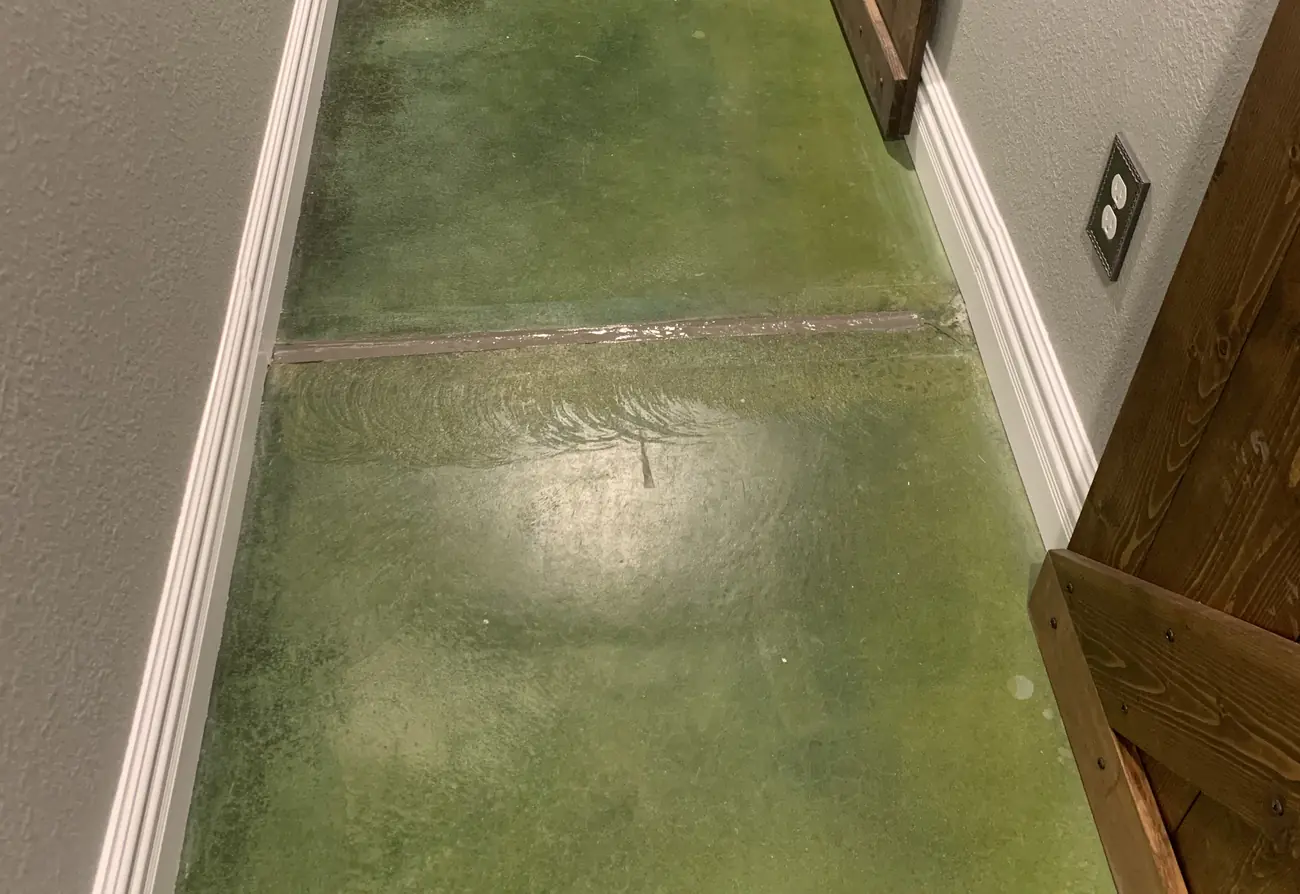
A ground, patched and sealed garage floor that shrugs off ice melt, hot tires and oil — and wipes clean with a shop broom.
Learn More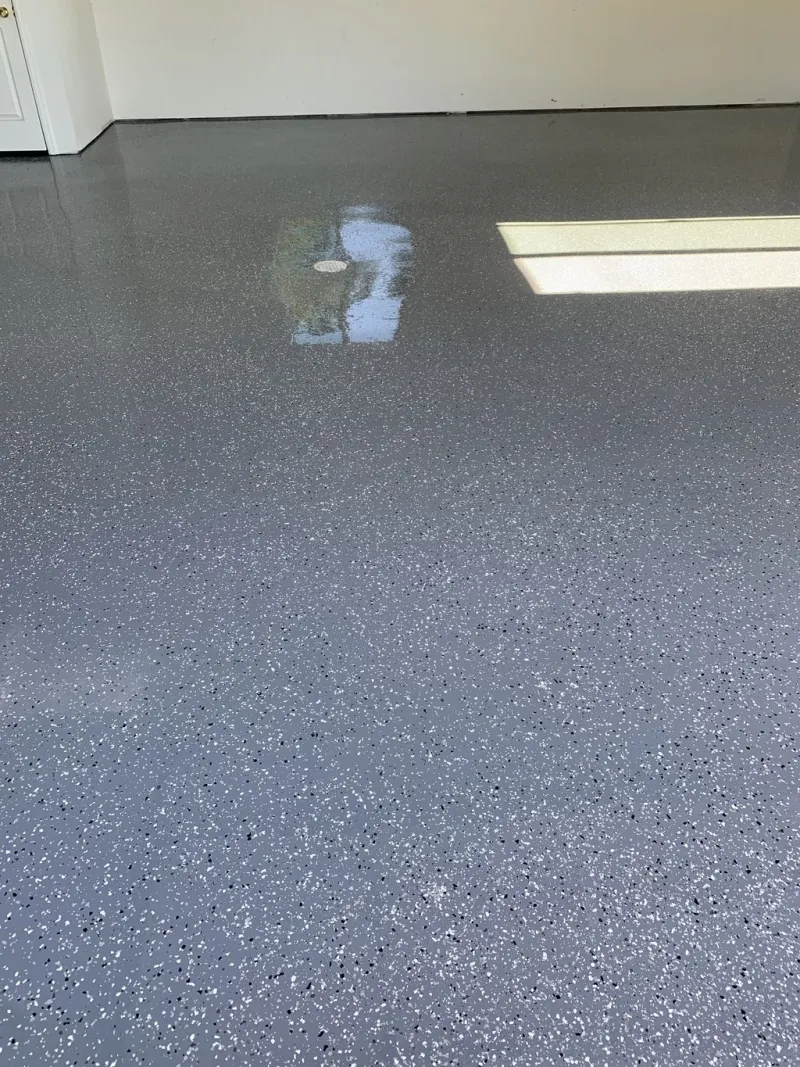
A UV-stable coating that cures in hours instead of days, goes down in cold weather, and does not amber in the sun like epoxy.
Learn More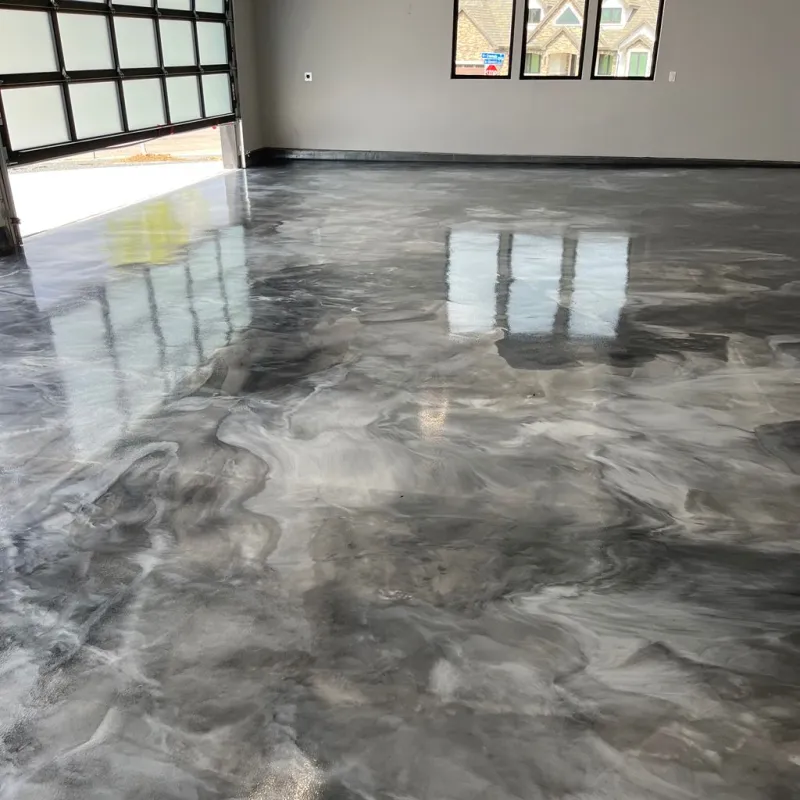
Hard-wearing epoxy systems for garages, basements, shops and commercial spaces — installed over properly ground and repaired concrete.
Learn More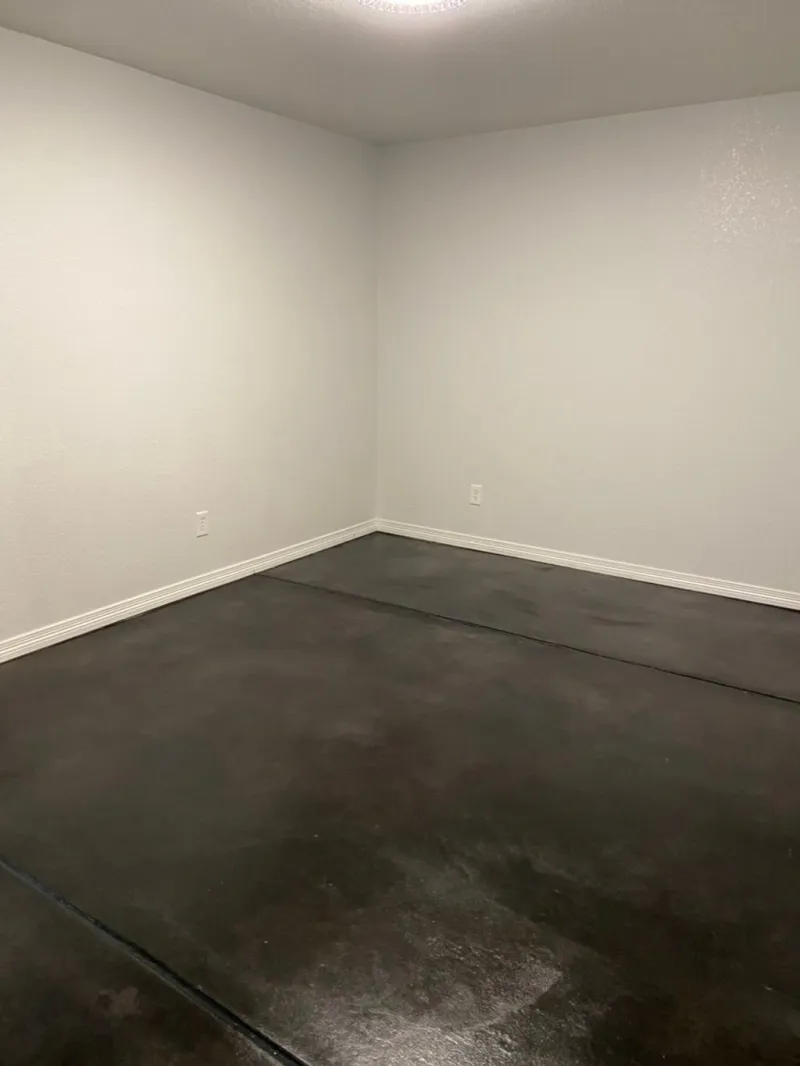
A sealed, warm-looking basement floor that stops concrete dust, cleans easily and does not turn into a problem when water shows up.
Learn More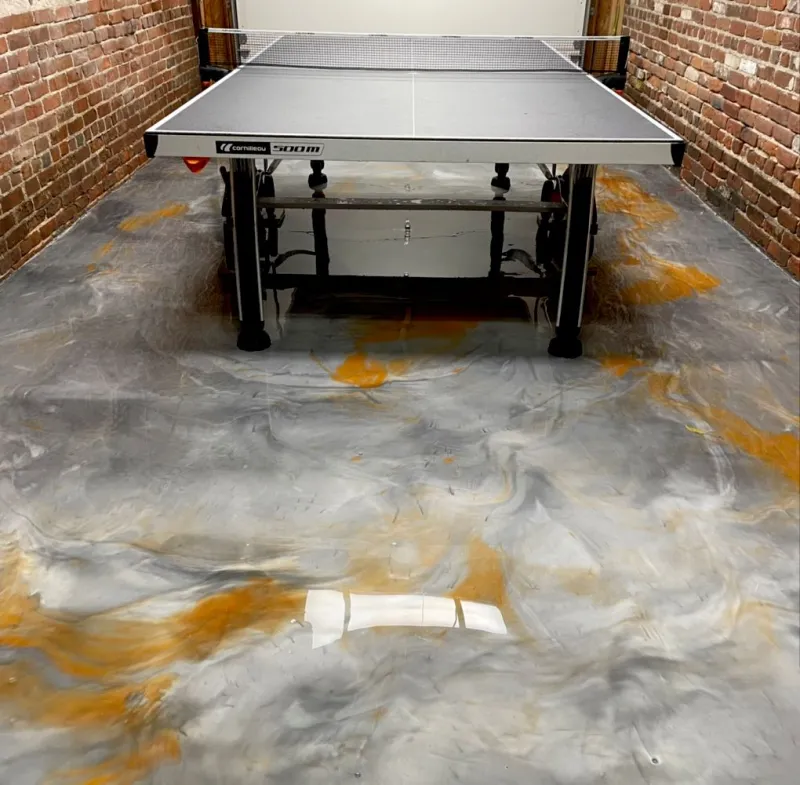
Marbled metallic finishes with real depth — poured, worked by hand and sealed. The floor people actually comment on.
Learn More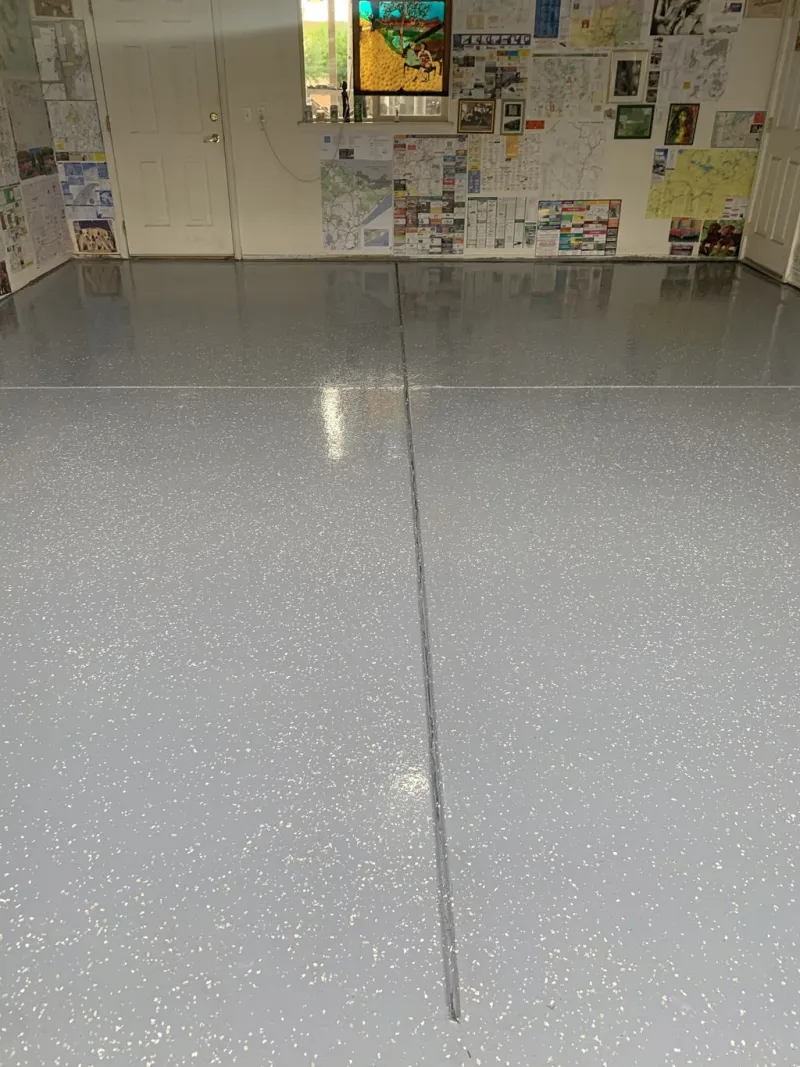
Vinyl flake broadcast into the base coat, then sealed — texture underfoot, hides dirt and wear, and it is the best value in coatings.
Learn MoreDenver Custom Coatings has 18 years behind it, and the team has been installing industrial flooring since 1992.
Diamond grinding opens the concrete so the primer keys into the slab. Acid etching is faster and cheaper, and it is why most failed floors failed. Prep is where the job is won.
We walk the floor, price it in writing, and flag honest problems before you commit: moisture, contamination, a slab that needs real repair. The number holds unless the scope changes.
Freeze-thaw, magnesium chloride off the highway and hot tires at altitude are hard on a slab. We specify systems that handle all three, including polyaspartic when the garage runs cold.
Bare garage slab, a basement you are finishing, a peeling floor that needs redoing, or a shop floor that has taken all it can? Call or send the form and we will walk the floor with you and hand you a free written quote.
Tell us about your project — we’ll get right back to you.